
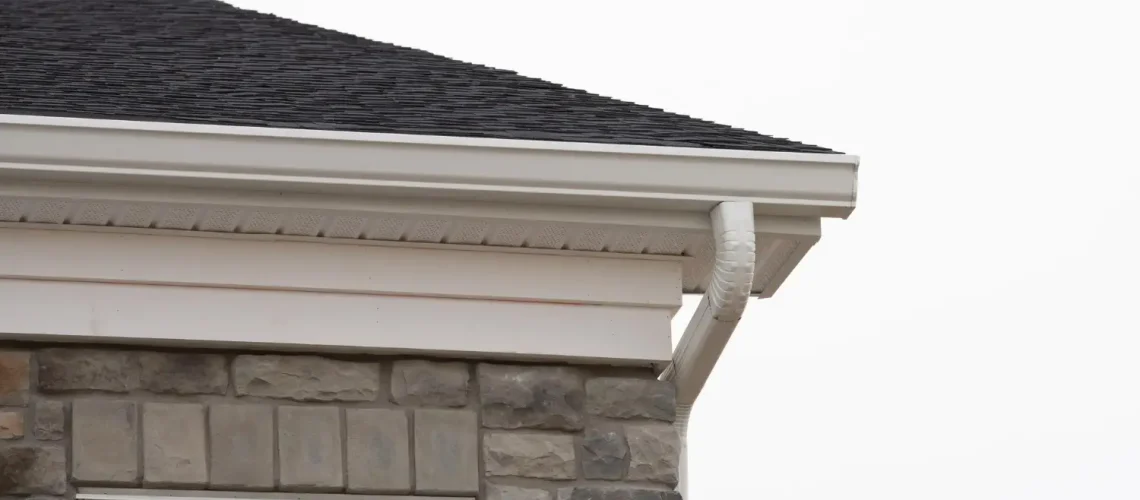
Roof leaks are among the costliest and most frustrating issues for homeowners, often resulting from poor drainage rather than simply damaged shingles or aging materials. A properly installed system ensures that water flows efficiently, reducing the risk of leaks and the structural strain caused by prolonged water exposure.
In this article, we’ll explain how roof drainage systems directly contribute to preventing roof leaks at home. We will walk you through practical signs, inspection steps, and maintenance routines you can follow, and show you how drainage ties in with other roof-care practices such as sealants, flashing, and gutters.
TL;DR – Bullet Point Summary
- Standing or slow-draining water on your roof dramatically raises the risk of leaks and material failure.
- Gutters, downspouts, scuppers, and proper slope are essential components of drainage.
- A solid roof inspection checklist includes checks for drainage, flashing, sealants, and gutters.
- Key maintenance: clean gutters and downspouts, inspect and reseal flashing, and verify water is diverted away from the home.
- Addressing drainage early helps avoid costly repairs, mold, structural damage, and interior leaks.
Why Drainage Matters for Preventing Roof Leaks
When water doesn’t drain properly from your roof, several negative processes begin:
- It may pond (sit) on the surface, which adds weight, accelerates material degradation, and gives water time to seep under shingles or membranes.
- It causes overflow through gutters, downspouts, or scuppers, which can back up at roof edges, penetrate fascia or soffit, or spill into wall cavities.
- It encourages mold, rot, and material breakdown. Once flashing, membranes, or underlayment become compromised, leaks are far more likely.
Proper drainage doesn’t replace good roofing materials or flashing, but it supports them and often makes the difference between an occasional issue and a major leak event.
What Components Make Up a Good Drainage System for Your Roof
Here are the key parts homeowners need to understand when thinking about drainage.
Gutters and Downspouts
These are your first-line water channels. Gutters collect rainwater off the edges; downspouts direct it away from your home’s foundation. If they are clogged, sagging, or misaligned, water can back up under the roof edges.
Roof Drains, Scuppers, and Internal Drains
This is especially relevant for low-slope or flat sections of the roof. Scuppers are openings at a parapet wall edge; interior drains centrally collect water and pipe it away. Without them, ponding occurs.
Roof Slope/Pitch and Surface Drainage
How fast water can flow off your roof matters. A steeper pitch drains faster, while a shallow or flat slope requires more attention to drainage systems.
Flashing, Sealants, and Membrane Integrity
Even with perfect drainage, water can find a way in—through cracks around chimneys, vents, skylights, unsealed flashing, or eroded sealants. Good drainage reduces the volume and duration of exposure; good sealants and flashing stop infiltration.
Water Exit Path Away from the Home
It’s not enough to get water off the roof—it must be diverted sufficiently away from the foundation, walls, and soffits so it doesn’t cause secondary damage or find its way back into the structure.
Common Causes of Roof Leaks Tied to Poor Drainage
| Problem | How It Causes Leaks | Drainage Role Involved |
| Clogged gutters/downspouts | Water builds up at roof edges or backs up under shingles | Debris in gutters blocks exit flow |
| Improper slope or ponding areas | Water remains on roof, saturates materials | Insufficient drainage outlets or slope design |
| Failed flashing or sealant around roof penetrations | Water running off forms concentrated flow into vulnerable areas | Even with drainage, small leaks exploit weak spots |
| Overflowing gutters that spill near walls or foundation | Water enters wall cavities, saturates siding and roofing | Drainage not directed far enough away |
| Ice dams (in colder climates) | Melt and freeze cycle prevents drainage, water backs up under shingles | Drainage and insulation/ventilation tie in |
| Moss or vegetation accumulation | Traps moisture, prevents drainage, deteriorates surface | Drainage pathways obstructed by organic matter |
People often assume “roof leaks = bad shingles,” but the root often is poor drainage combined with worn materials. Fixing the drainage part goes a long way toward preventing future leaks—even before replacing roofing material.
How to Identify if Drainage Is Already Causing Risk
Here are practical signs plus what to look for when doing an inspection of your roof and drainage system:
- Water still standing or slow to drain from parts of your roof after rain (ponding).
- Gutters that are overflowing, sagging, detached from fascia, or filled with debris.
- Downspouts that dump water too close to your home (less than six feet from the foundation) or are blocked.
- Discolored walls or ceiling stains inside the home.
- Visible damage to flashing or sealants around chimneys, skylights, and vents.
- Granules in gutters (may indicate shingle wear).
- Roof valleys or flat areas with visible dirt, moss, or debris accumulation.
- Frost or ice dams in winter indicate drainage or insulation issues.
If you spot these issues, it’s likely that proper drainage is not functioning at peak performance, increasing the risk of roof leaks in your home.
Roof Maintenance Tips to Support Leak-Free Performance
Prevention is much easier (and cheaper) than repair. Here’s a set of maintenance routines homeowners should adopt (or have their roofing contractor adopt) to maintain drainage and prevent leaks.
- Clean gutters and downspouts twice a year—spring and fall are good times.
- Inspect gutters for correct slope, secure attachment, and signs of rust or sagging.
- Ensure downspouts direct water at least six feet away from the foundation and away from the home structure.
- On flat or low-slope roofs: check for ponding areas, verify scuppers or roof drains are clear.
- Inspect flashing, sealants, and roof penetrations annually; reseal or replace if cracking or deterioration is observed.
- Trim overhanging trees and remove debris from roof surfaces.
- After major storms, inspect your roof and drainage system for any damage or blockages.
- Consider installing gutter guards or debris screens if your property is heavily tree-covered.
- Keep attic ventilation and insulation in good condition to prevent ice-dam issues.
- For older or flat roofs, schedule professional inspections of the drainage system, roof deck, and membrane.
By adopting these maintenance habits, you support the drainage system and reduce the chance of leaks in your home.
Best Sealants, Flashing, and Waterproofing Solutions to Complement Drainage
Even when drainage is good, you still need moisture barriers at roof penetrations and junctions. Here are solutions that go hand-in-hand with drainage to prevent leaks.
- Use high-quality roof sealants around chimneys, vents, skylights, and flashings. UV exposure and weather cause sealants to crack over time.
- Flashing should be installed properly with compatible materials per roof type. Leaks often form around chimneys and skylights where flashing has failed.
- For flat roofs, membranes and waterproof coatings enhance drainage performance by preventing water absorption into roofing materials.
- If your roof shows early signs of wear, replacing or repairing the surface supports drainage by maintaining integrity.
- Ensure sealants or membranes used are compatible with your roofing material, local climate, and slope.
When your drainage system effectively removes water, and you pair that with quality sealants and flashing, you create a comprehensive barrier against roof leaks at home.
Roof Inspection Checklist: Drainage and Leak Prevention
| Area to Inspect | What to Look For | Why It Matters |
| Roof surface and slope | Ponding water, sagging, debris accumulation | Indicates poor drainage and increased leak risk |
| Gutters and downspouts | Clogs, sagging, detachment, improper water exit path | Blocked or misdirected drainage leads to overflow and leaks |
| Roof penetrations | Cracked or missing sealant, damaged flashing | Weak spots where water can enter despite drainage |
| Flashing and sealants | Rust, gaps, wear around flashings and roof joints | Seal failures often accompany drainage issues |
| Attic or ceiling interior | Stains, mold, soft spots, insulation moisture | Indicates water infiltration from above |
| Flat-roof drains and scuppers | Clear openings, no debris, correct flow direction | Flat roofs are especially vulnerable to ponding and leaks |
| Foundation and exterior walls | Soil erosion near foundation, water pooling at base of walls | Poor roof drainage can cause exterior and interior leaks |
Frequently Asked Questions (FAQ)
Q: How often should I inspect my roof drainage system to prevent leaks?
A: Inspect your gutters, downspouts, flashing, and drainage flow at least twice a year—in spring and fall. In heavily wooded areas or for flat roofs, more frequent checks are recommended.
Q: Can I rely on slope alone to prevent roof leaks instead of drainage components?
A: No. While a steeper pitch helps water run off faster, every roof still needs properly functioning gutters, downspouts, flashing, and exit paths. Flat or low-slope roofs especially need dedicated drainage solutions.
Q: My gutters are clean, but I still have leaks—could it still be a drainage issue?
A: Yes. Even with clean gutters, misalignment, inadequate downspout exit distance, ponding on the roof surface, or failing flashing can all contribute to leaks.
Q: Are certain home roof maintenance tasks DIY-friendly when it comes to drainage?
A: Some are suitable for homeowners, such as clearing gutters, removing roof debris, and checking visible flashing. However, membrane repairs or complex drain installations should be handled by professionals.
Q: What is the role of waterproofing membranes or coatings if I already maintain good drainage?
A: Waterproofing membranes and coatings serve as a secondary barrier. Even with perfect drainage, water can still find gaps. Using quality waterproofing complements drainage for stronger protection against leaks.
Summary
- Proper drainage is one of the strongest defenses you have against roof leaks at home.
- The key components—gutters, downspouts, drains, slope, flashing, and sealants—must function together.
- Regular inspection and maintenance go a long way toward keeping leaks away.
- Identifying signs early enables timely fixes.
- Combining drainage maintenance with good sealing, flashing, and waterproofing forms a complete strategy for a durable, leak-free roof.